
Strengthening AI resilience in the Nordics and Baltics
27.11.2026
Who actually supplies AI in the Nordics and Baltics?
Together with AI Finland, we at August Associates mapped 248 companies across eight countries (i.e. Finland, Sweden, Norway, Denmark, Iceland, Estonia, Latvia, Lithuania) and six layers of the AI stack (i.e. applications, AI tools and orchestration, foundation models, data platforms, computing platforms, data center infrastructure) for New Nordics AI (NNAI) to understand, how self-sufficient the region currently is in terms of AI services. The results of the New Nordics AI full-stack mapping fed [link] into the NNAI whitepaper “The Nordic Way: Resilience, Not Retreat” and the discussions in NNAI’s High-Level Forum 2026 organized on November 6 in Copenhagen. Here are our takeaways in brief.
Why does it matter now?
AI dependency has moved from a procurement question to a risk question. In June 2026, US export controls forced a leading AI provider to switch off its newest models worldwide for nearly three weeks. Meanwhile, the EU is preparing sovereignty rules for cloud and AI procurement. You cannot manage a dependency you have not mapped.
What do the results of the study mean for Nordic and Baltic companies?
Regional choice is real in data centers, data platforms and applications, where mature providers already serve paying customers. General-purpose AI models, AI computing capacity and AI tooling will still largely come from outside the region. For users, the goal is not full independence but access with an “exit plan”, using the best AI while keeping a tested way to switch. For builders, the thin layers, such as models, AI computing and tooling, are the opportunity.
Where should a company start if it wants to understand its own AI dependencies
Start with the business processes that must keep running, not with a list of tools. Ask how much each process gains from the best AI and how much harm a failure would cause. Then check what your suppliers rely on underneath, and test that you could switch provider without losing your data or rebuilding your processes.
Was there anything unexpected in the study’s results?
Data centers are the region’s best-known AI strength, yet they have the thinnest regional ownership, with only about three in five owned in the region. And of the other AI providers that publicly state where customer data is held, only five keep all of it within the region.
How did August do the study, and what was the hardest part?
We defined the stack by what customers actually buy. We then tested every company on two things: 1) Is it Fully New Nordic by head office, ownership and contracting entity, i.e. all three of these aspects are located in one of the region’s eight countries? 2) Is it mature enough to carry real workloads today? The hardest part was setting fair maturity thresholds across very different layers when public information is limited.
What should executives in the Nordics and Baltics take away from this?
Companies use AI to create value. How they source it also affects how much of that value they keep. For AI users, the lasting edge over competitors lies less in which AI model you use and more in your own data, know-how and processes. Keep control of those, buy the best models available, and keep the ability to switch. The region already has mature AI providers in data centers, data platforms and applications, and most regional providers meet the EU’s proposed ownership and jurisdiction criteria. For companies building AI into their products and services, that trust is becoming a selling point in Europe.
Thank you, AI Finland and New Nordics AI, for a great collaboration!
Sources and further reading
- New Nordics AI full-stack mapping, prepared by August Associates for New Nordics AI, published 6 November 2026
- New Nordics AI, The Nordic Way: Resilience, Not Retreat, white paper, 6 November 2026 (PDF).
- New Nordics AI, Nordic-Baltic AI forum presents recommendations for closer cooperation on AI, press release, 6 November 2026
For further information, please contact:
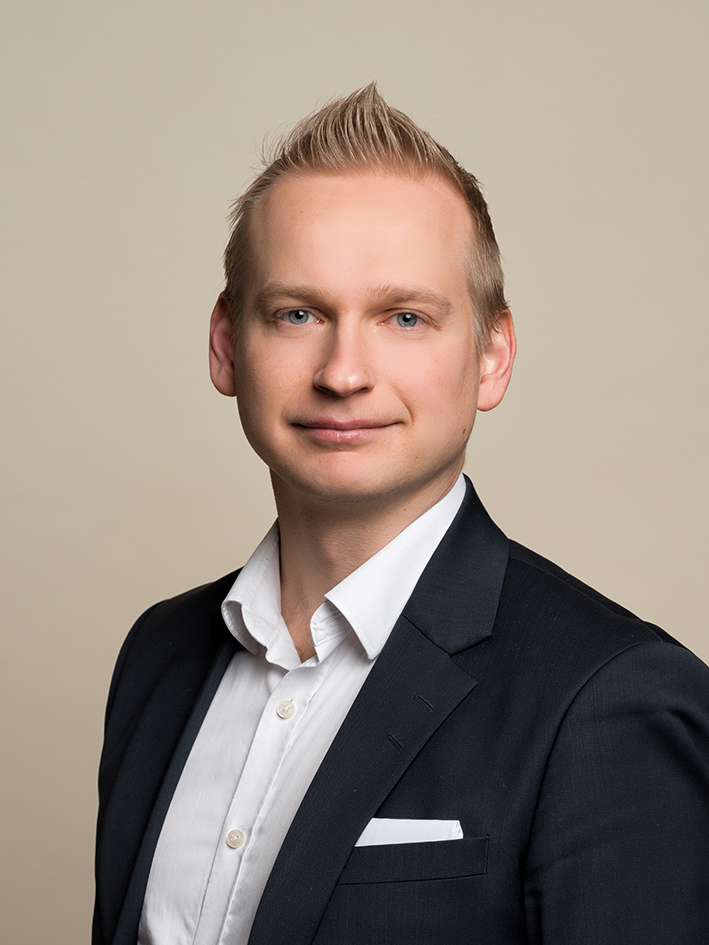
Juha Martikainen
Partner
+358407564686
firstname.lastname@august.fi
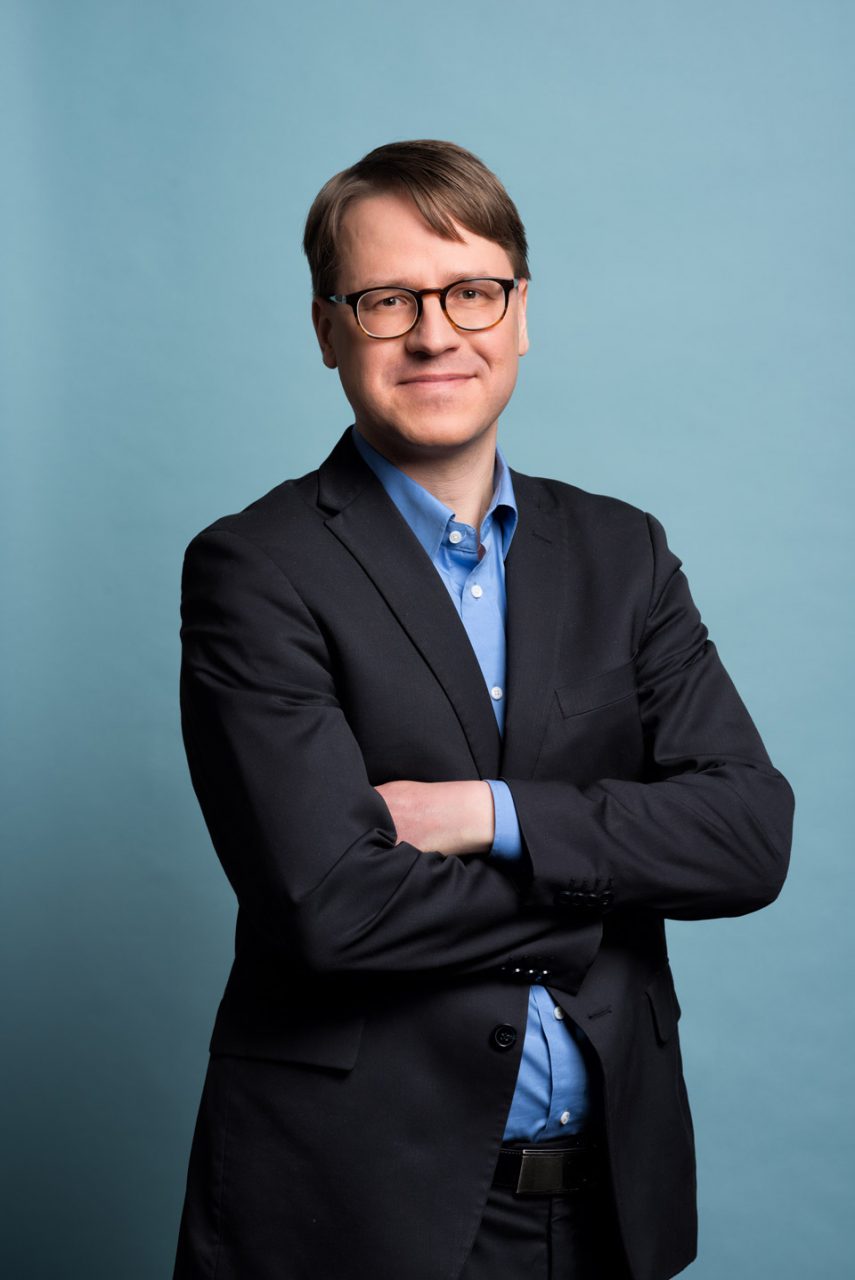
Markus Valoaho
Partner
firstname.lastname@august.fi
+358 40 742 0262
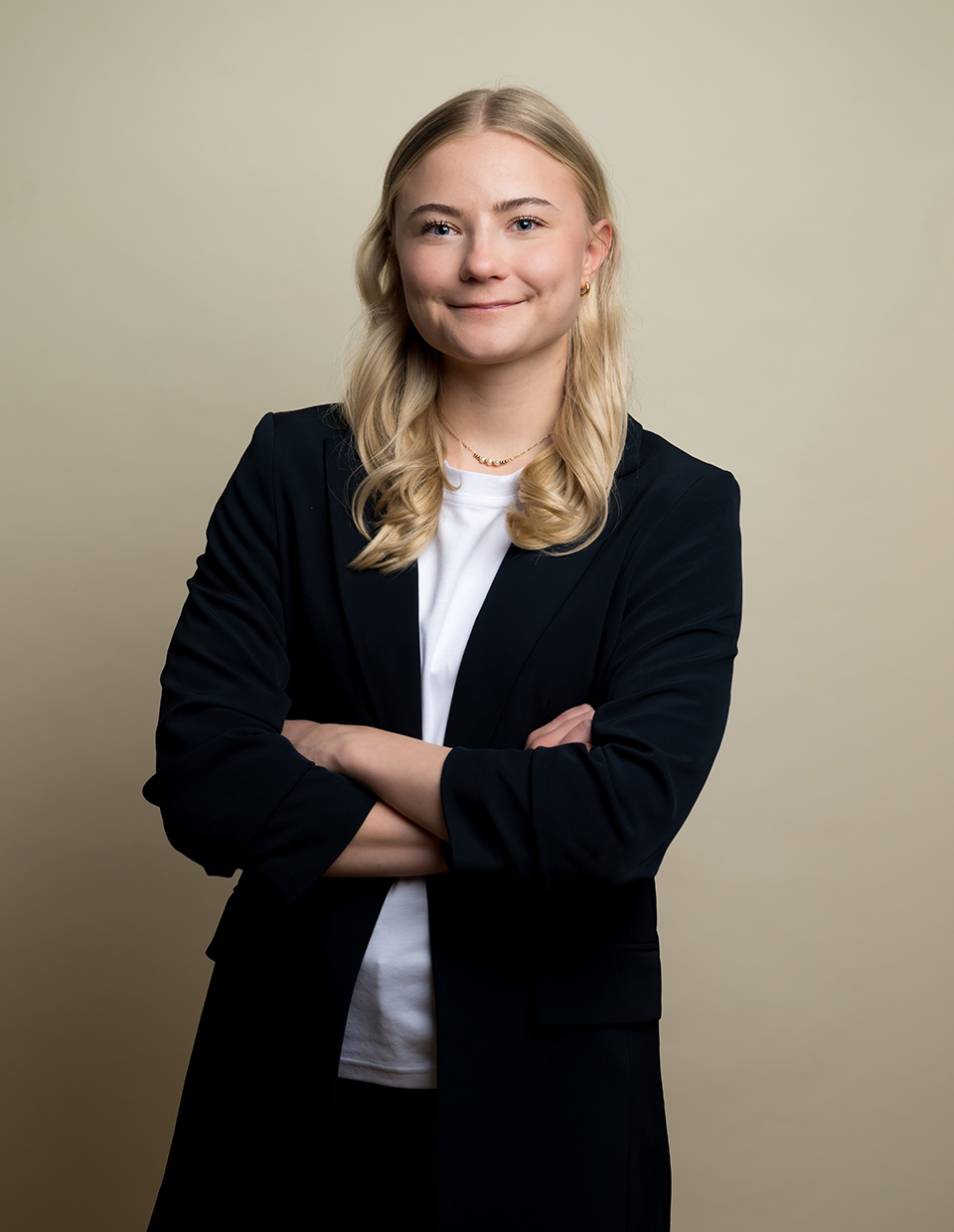
Linda Noronen
Analyst
+358 44 506 0401
firstname.lastname@august.fi